
19 Nov Trigeminal Neuralgia and Sleep: Can Facial Pain Keep You Awake?
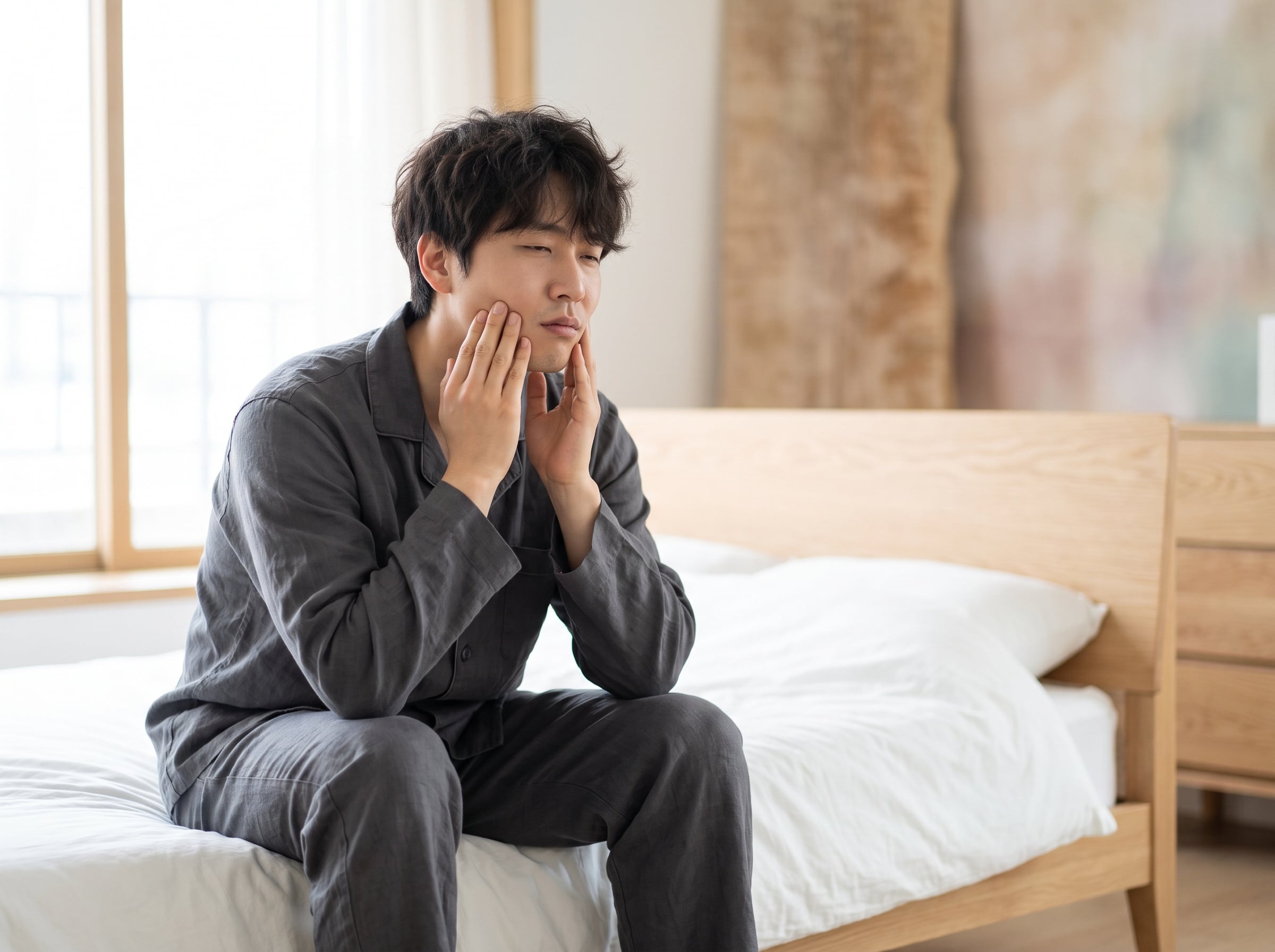
Bedtime is supposed to be the easy part of the day. You shower, brush your teeth, complete your skincare, and then settle into your pillow to drift off. However, if you live with trigeminal neuralgia, that simple routine can feel like a steep uphill climb, knowing the facial pain waiting on the other side can leave you staring into the dark long after the lights go out.
Here’s the encouraging part: trigeminal neuralgia rarely strikes once you’re actually asleep, making the hardest part simply getting to sleep. In this month’s blog, we look at why this condition clashes with your nighttime routine and what can help you finally get the refreshing rest you need.
What Is Trigeminal Neuralgia?
Trigeminal neuralgia (TN) is a chronic neuropathic pain condition that affects the trigeminal nerve, which carries sensation from your face and head to your brain. In most cases, the pain is caused by a blood vessel pressing against the nerve near the brainstem. That constant pressure irritates the nerve to the point that it starts to misfire. In other cases, TN can be caused by other conditions like multiple sclerosis or a tumor.
Either way, the result is sudden, electric shock-like jolts of pain, usually on one side of the face, that last anywhere from a few seconds to a couple of minutes. Some people also feel a constant burning or aching between attacks. Women are affected more than men, and most cases begin after age 50. Part of what makes TN so disruptive at night is how easily the pain is triggered.
Facial Pain Triggers Hiding in Your Bedtime Routine
TN attacks are usually set off by light, ordinary contact with your face. Unfortunately, many of those triggers are packed into the last half hour of your day:
- Brushing and flossing: Toothbrush bristles, floss, and even mouthwash can provoke a jolt as you use your facial muscles.
- Washing your face or removing makeup: The pressure of a washcloth or a splash of cold water is sometimes all it takes.
- Your pillow: Resting your cheek or jaw on the painful side puts direct pressure on sensitive trigger zones.
- A ceiling fan or vent: A light breeze across the face can be triggering.
- A late snack or chat: Chewing, sipping something hot or cold, and talking can all set off an attack.
Apart from physical triggers, the still quietness of bedtime itself can make even a mild flare harder to ignore. During the day, work, conversation, and noise compete for much of your attention. But once the TV is off and the house goes still, there are few things left to distract you from the pain, so even a mild flare can feel more painful than it did in the early afternoon.
And as anyone with TN can tell you, the attack itself is only half the problem.
Why Does Trigeminal Neuralgia Keep You from Falling Asleep?
Even after a flare-up dies down, the dread of the next one tends to linger in the back—or front—of your mind, making you second-guess any kind of movement. So you hesitate before rolling over. Hold your face perfectly still. Avoid the “bad” side of the pillow. Worrying about the next attack can make it hard to relax enough to fall asleep.
This creates a frustrating loop. Lost sleep makes pain feel more intense the next day, and more intense pain makes the following night even harder. Over time, that cycle can take a toll on your mood, energy, and overall sleep quality. TN takes a real toll on mental health, and people who suffer from it are at a greater risk of anxiety and depression.
It’s worth noting that TN attacks are more likely to happen while you’re awake than while you’re asleep or waking you up out of your sleep. So for most people, the challenge is getting to sleep, not staying there, which means calming the nerve can make a real difference.
Treating Trigeminal Neuralgia So You Can Rest
The good news is that trigeminal neuralgia is treatable, and calming the nerve during the day can make nights much easier.
Medical & Surgical Treatment Options for Trigeminal Neuralgia
Medication is typically the first line of defense. Antiseizure drugs, such as carbamazepine or oxcarbazepine, calm the overactive nerve signals causing the pain; muscle relaxants like baclofen may also help. Nerve blocks and Botox injections can also offer temporary relief. If you get to the point where medication is no longer effective, surgical options such as microvascular decompression, which moves the blood vessel off the nerve, may be considered.
Small Bedtime Changes That Help
While you work on a long-term plan, a few nighttime adjustments in the meantime can make it easier to fall asleep:
- Complete triggering tasks earlier
If you can, brush your teeth and shower well before bedtime so your body has time to settle after any potential flare-ups. - Be gentle
Use a soft-bristled toothbrush and lukewarm water. - Rethink your sleep position
Sleep on your back or your pain-free side to keep pressure off of trigger zones. - Redirect airflow
Point fans away from your face. - Wind down with purpose
Practice deep breathing, guided imagery, or mindfulness. This can help ease the anticipatory tension. - Keep a sleep and pain diary
Record flare-ups and their triggers when they happen so you have a detailed history to give your provider.
For more ideas, take a look at our page for sleep tips. Of course, these changes work best alongside care from a practitioner who understands facial pain.
Find Relief for Facial Pain at TMJ & Sleep Solutions
Going to bed should be a peaceful experience, not something you dread. At TMJ & Sleep Solutions of Alabama, Dr. Amy Hartsfield is board-certified in both orofacial pain and dental sleep medicine. Whether your pain points to trigeminal neuralgia, a TMJ disorder, or something else entirely, our caring team will help you find answers and create a plan to help you get relief. If facial pain is keeping you up at night, contact us to book an appointment today.