
15 Oct POTS and Insomnia: Why You’re Tired, but Still Can’t Sleep
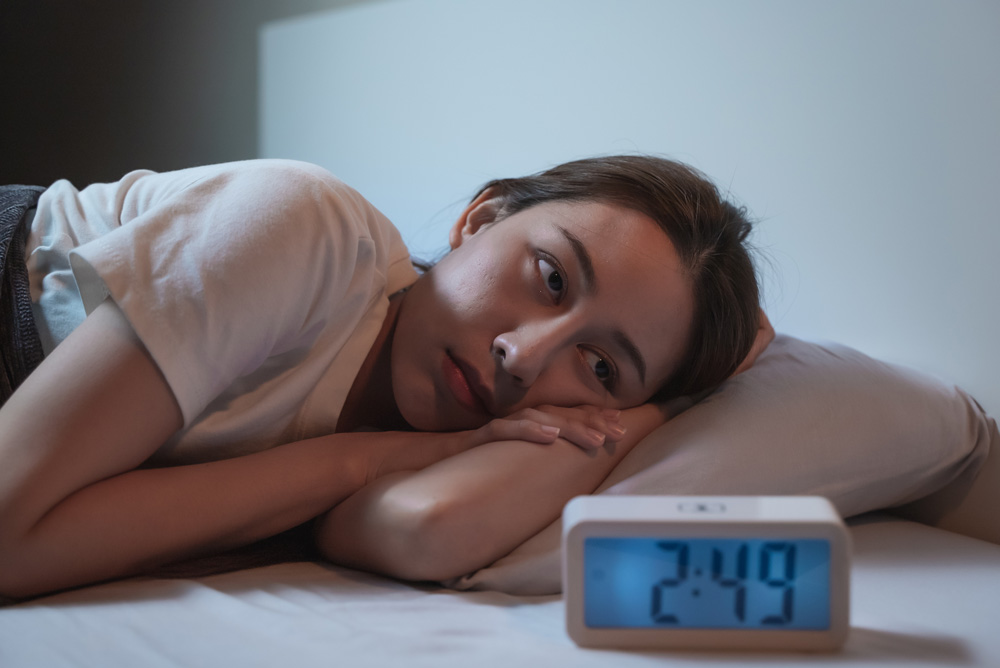
For people with postural orthostatic tachycardia syndrome (POTS), insomnia looks different from that of those who have a little caffeine too close to bedtime. For those with POTS, you can be exhausted mentally and physically and still lie wide awake in bed. Heart thumping, mind racing, unable to drift off. The gap between exhaustion and actual sleep is one of the most frustrating parts of living with POTS, and one of the least discussed.
At TMJ & Sleep Solutions of Alabama, we don’t assume that when a patient expresses being tired and unable to sleep, that they’re isolated complaints—because we know that POTS and insomnia often show up as a package deal. Let’s discuss why.
What Is POTS?
Postural orthostatic tachycardia syndrome, or POTS, is a form of dysautonomia: a malfunction of the autonomic nervous system, which is the part of your body that controls the processes that run on autopilot. That includes bodily functions such as heart rate, blood pressure, and digestion.
For example, normally when you stand up, your nervous system tightens blood vessels to keep blood flowing to your brain and heart. For people with POTS, that adjustment doesn’t happen properly. Instead, blood pools in the lower body, and their heart rate compensates by beating harder and faster (up to 30 or more beats per minute within ten minutes of standing).
While there’s still a lot we don’t know about POTS, it appears to disproportionately affect women, specifically when in their teens and through their 50s. And it often develops after the body has gone through a stressful or traumatic event, such as a viral illness, pregnancy, surgery, or a period of prolonged bed rest.
Why Does POTS Cause Fatigue?
As we mentioned earlier, POTS causes a kind of fatigue that goes beyond just feeling “tired.” And it doesn’t respond to copious amounts of caffeine or cat naps. Because your body is working overtime just to keep blood moving to your brain every time you stand, simple tasks like showering or walking to the mailbox can literally feel like running a marathon. While the fatigue isn’t constant, it can manifest without warning, last for hours or days, and be accompanied by brain fog that either turns simple tasks into rocket science or makes you forget how to do them altogether.
And because it doesn’t look like typical tiredness, POTS is often missed or misdiagnosed as chronic fatigue syndrome, fibromyalgia, or anxiety.
POTS and Insomnia: Why Can’t You Sleep?
You would think if POTS leaves you this depleted, then sleep should come easily, but for most patients, it doesn’t. On the contrary, POTS and insomnia often go hand-in-hand, driven by the same nervous system dysfunction.
Your “Fight or Flight” Instinct Is Active
Falling asleep depends on your nervous system shifting into “rest and digest” mode. In POTS, the sympathetic, or “fight or flight,” side often stays switched on past bedtime, keeping your heart rate and stress hormones elevated. The result? A state sleep specialists call hyperarousal, and patients often refer to it as “tired but wired.”
Blood Shifts and Disturbed Circadian Rhythm
When you lie down, the blood that’s been pooling in your legs throughout the day now redistributes through your body, which can trigger your bladder and increase your trips to the bathroom, interrupting your sleep state. Additionally, many people with POTS experience a delayed body clock and feel most alert at nighttime; for those who catnap during the day, their schedule is thrown off even more.
Non-Restorative Sleep
Even patients who do sleep through the night often report feeling as if they never get a good night’s rest. However, their sleep studies frequently have normal results, which can leave patients feeling frustrated and dismissed. Researchers believe the lack of feeling refreshed may be due to brief, repeated micro-arousals throughout the night; they’re too subtle to show up on a standard sleep study but are enough to affect how you feel the next day.
What Sleep Problems Look Like with POTS
In one study, over 63% of patients with POTS reported having trouble falling asleep, and 62% of patients had trouble staying asleep for the whole night. Many report waking up feeling unrested, regardless of how many hours they may have slept (source).
Getting Real Relief for POTS and Insomnia
POTS is usually accompanied by other conditions that affect the jaw, airway, and sleep, including connective tissue disorders that increase the risk of obstructive sleep apnea, chronic headaches, and orofacial pain. Dr. Amy Hartsfield, board-certified in Dental Sleep Medicine and Orofacial Pain, works with patients in Homewood and the Birmingham area to identify what’s really disrupting their sleep, whether that’s an airway issue, a nervous system imbalance, or a larger pattern.
If POTS and unrelenting fatigue have become a part of your daily reality, contact our team to schedule a consultation.