18 Jun Negative Effects of Mouth Breathing: How It Can Impact TMJ & Sleep
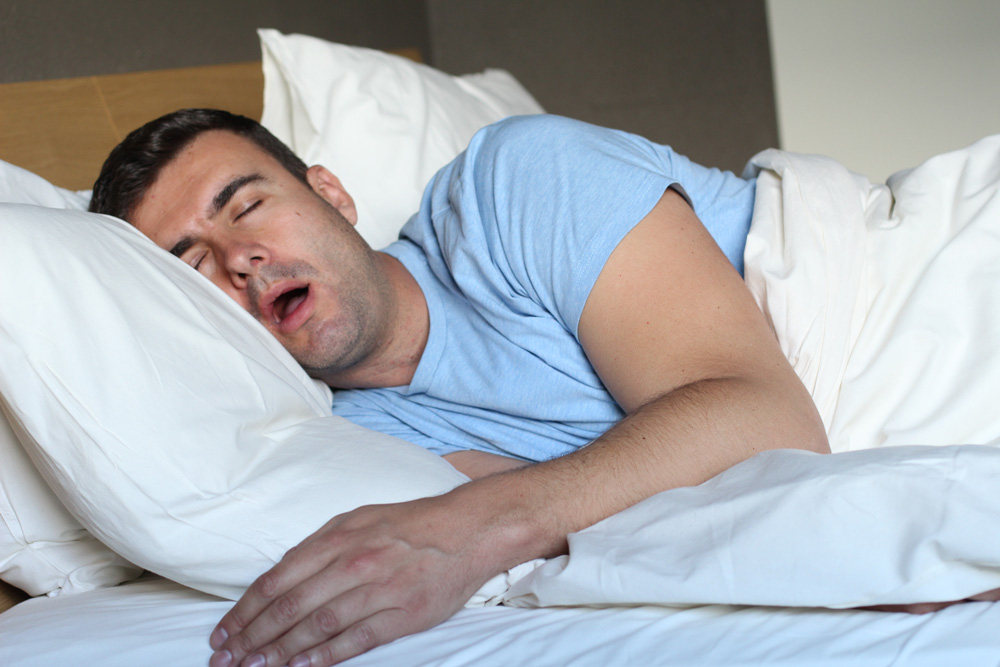
Many people think that mouth breathing is just a harmless, albeit unflattering, habit. However, that’s just not true—the negative effects of mouth breathing include adversely affecting your jaw position, causing or increasing muscle tension, poor sleep quality, and worsening TMD (TMJ dysfunction/disorder) symptoms.
Essentially, the anatomical features that facilitate breathing and jaw function are closely connected, meaning problems with one can easily affect the other. Proper nighttime breathing habits can significantly influence both sleep quality and jaw health. In this blog, we’ll explain the connection between breathing, jaw strain, sleep disruption, and treatment options.
Why Do I Mouth Breathe?
Breathing through your nose is supposed to feel most natural, based on human anatomy. However, for some people, mouth breathing is what feels natural after doing it for a long time.
Usually, people start mouth-breathing consistently because something hinders their nasal breathing, such as a deviated septum, chronic allergies, other conditions that cause ongoing nasal congestion, or obstructive sleep apnea.
Even if you always default to mouth breathing for one of these completely understandable reasons, it is not good long-term for the health of your jaw joints (medically known as the “temporomandibular joints,” or “TMJs” for short). We’ll elaborate more on why in the next section.
The Negative Effects of Mouth Breathing on Jaw Function
Mouth breathing alters the natural tongue and jaw posture. Keeping the mouth open for long periods forces the jaw muscles to work harder to stabilize the jaw, and this extra muscle activity contributes to jaw fatigue, facial tension, stiffness, or soreness. Improper jaw positioning may also worsen existing TMJ dysfunction or contribute to teeth grinding/clenching during sleep.
Relaxed nasal breathing supports healthier jaw alignment during rest. Read our blog on how to practice proper nasal breathing habits here.
How Airway Problems and TMJ Disorders Connect
Airway restriction and poor breathing patterns can cause the body to compensate with forward head posture or altered jaw positioning. These compensations place stress on facial muscles and TMJ structures.
Some patients with sleep-disordered breathing also experience TMJ symptoms like headaches, jaw pain, or clenching. Often, comorbid (simultaneous) sleep and TMJ problems worsen one another in a cycle of tension and poor rest.
Common Signs Mouth Breathing May Be Affecting You
Here are common signs that your mouth breathing is harming you and may be signs of comorbidity with sleep apnea and/or TMD:
- Dry mouth upon waking
- Snoring or restless sleep
- Morning headaches
- Jaw soreness or tightness
- Teeth grinding/clenching
- Daytime fatigue
Persistent symptoms warrant professional evaluation, as they may indicate airway or TMJ dysfunction rather than “normal” sleep habits.
Why Proper Diagnosis and Treatment Matter
Treating jaw pain symptoms alone may not fully address the root of the issue if airway or breathing problems are contributing factors. Effective TMJ care often requires understanding how breathing, sleep, muscles, and jaw alignment interact (which is what Dr. Hartsfield here at TMJ and Sleep Solutions does best as a certified Orofacial Pain and Dental Sleep Medicine specialist).
Treatment may involve oral sleep evaluations, appliance therapy, or TMJ-focused care, depending on your condition. Early treatment may help prevent worsening pain, sleep disruption, and chronic muscle strain.
Find Relief from TMJ Pain and Sleep Problems
Chronic mouth breathing is not something you should ignore if you also experience jaw pain, headaches, fatigue, or poor sleep. Identifying the root cause is important for lasting relief.
Contact us today to schedule a consultation with Dr. Amy Hartsfield and our team at TMJ & Sleep Solutions of Alabama for a comprehensive evaluation; we will strive to help you improve your comfort, sleep, and quality of life.